
Why Do Some Dogs Experience Anxiety During Car Rides?
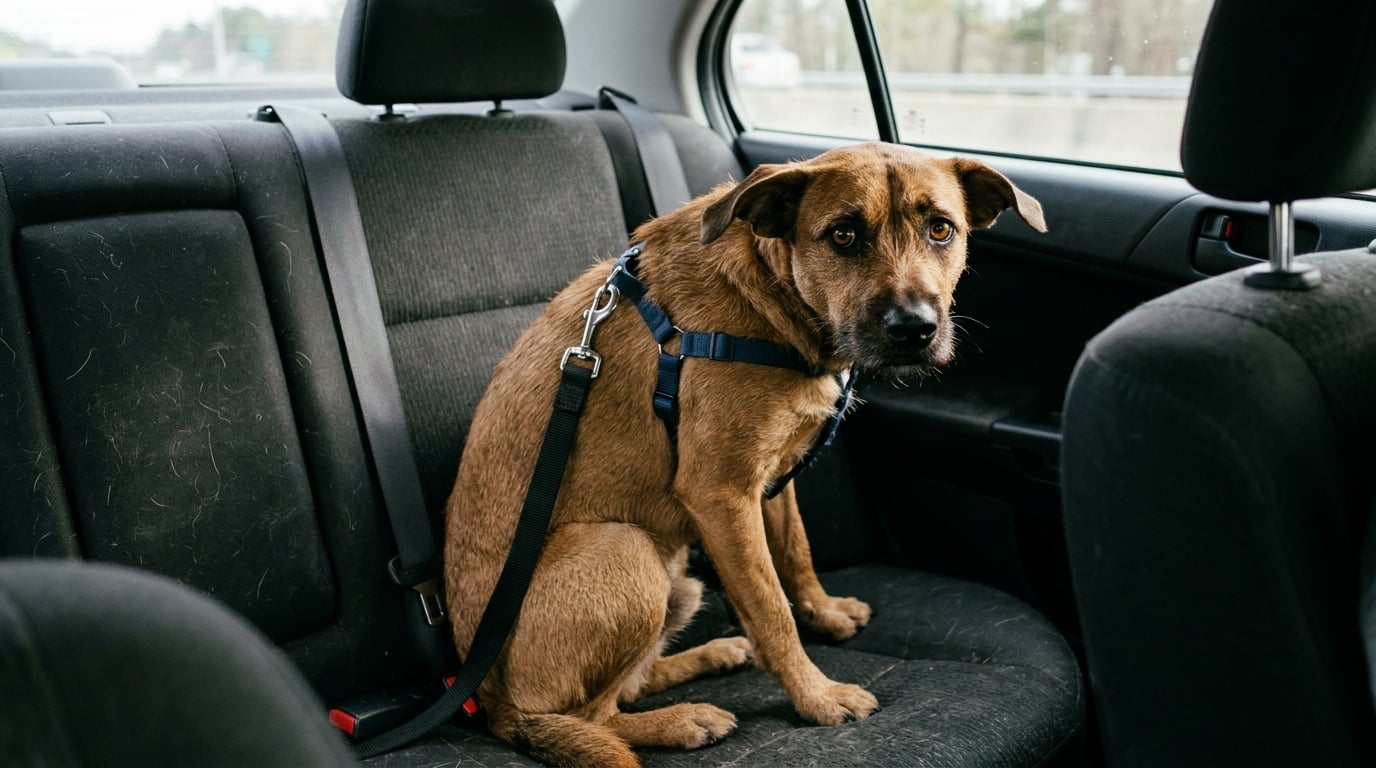
Whining, drooling, pacing, trembling — car anxiety looks different in every dog, but the root causes are surprisingly consistent. Understanding why it happens is the first step to fixing it.
1. Bad Associations
For many dogs, the only time they get in a car is to go somewhere unpleasant — the vet, the groomer, or the boarding kennel. Their brain makes a simple link: car equals stress. Over time, just seeing the keys can trigger anxiety.
2. Motion Sickness
Puppies are especially prone because the balance structures in their inner ear are still developing. Nausea, excessive drooling, and lethargy are common signs. Many dogs outgrow it, but some carry motion sensitivity into adulthood.
3. Lack of Control
Dogs are creatures of routine. A moving vehicle is unpredictable — the floor shifts, the scenery blurs, and there is nothing solid to brace against. Without a secure, contained space, that unpredictability breeds fear.
4. Sensory Overload
Dogs experience the world through their noses and ears. A car packed with strange smells, loud music, and road noise can overwhelm a sensitive dog fast.
What Actually Helps
- ●A secure den. A familiar crate or a padded, contained space gives anxious dogs something to feel safe in.
- ●Smooth driving. Gentle acceleration and no sudden stops reduce the physical triggers.
- ●A calm environment. Cool temperatures, minimal noise, and no strong scents.
- ●Positive associations. Short, pleasant trips that do not always end at the vet.
This is exactly why so many dogs who are "terrible in the car" with their owners ride calmly with us. Our vehicles are padded and seat-free, our drivers are trained to keep things smooth and quiet, and there is no anxious owner in the front seat feeding the tension.
Have a nervous pup? Book a ride and let a calm, trained handler take the wheel.
Ready to book a ride?
Your dog deserves a calm, comfortable trip. We'll handle the driving.
Book a Ride